
The Body vs The Floor
What the Ferguson Uprising taught me about life on the ground…

Editor’s Note:
Every city carries a version of its history that feels safe to repeat. Saint Louis is no different. We remember the speeches. We remember the marches. We remember the leaders whose names eventually become part of the official story. But movements rarely live in those places.
They live closer to the ground.
I get annoyed by internet losers using careless language, wrongfully tryna refer to honorable niggas as sell outs. I’ve lost so many of my motherfucking friends it pains me. But where we come from that’s completely normal as well.
My city and me don’t have a complicated relationship… I’m forever good out here because I gave the streets everything I humanly could give them.
I still live here in North County, in the same area where the blood was shed.
I’m talking about the real Ferguson, the real Baden, the real Dellwood, and the real Jennings.
The version that unfolded after the cameras packed up. The version measured not in headlines but in bodies, exhaustion, and the quiet question of if a nigga could get up and do it again tomorrow.
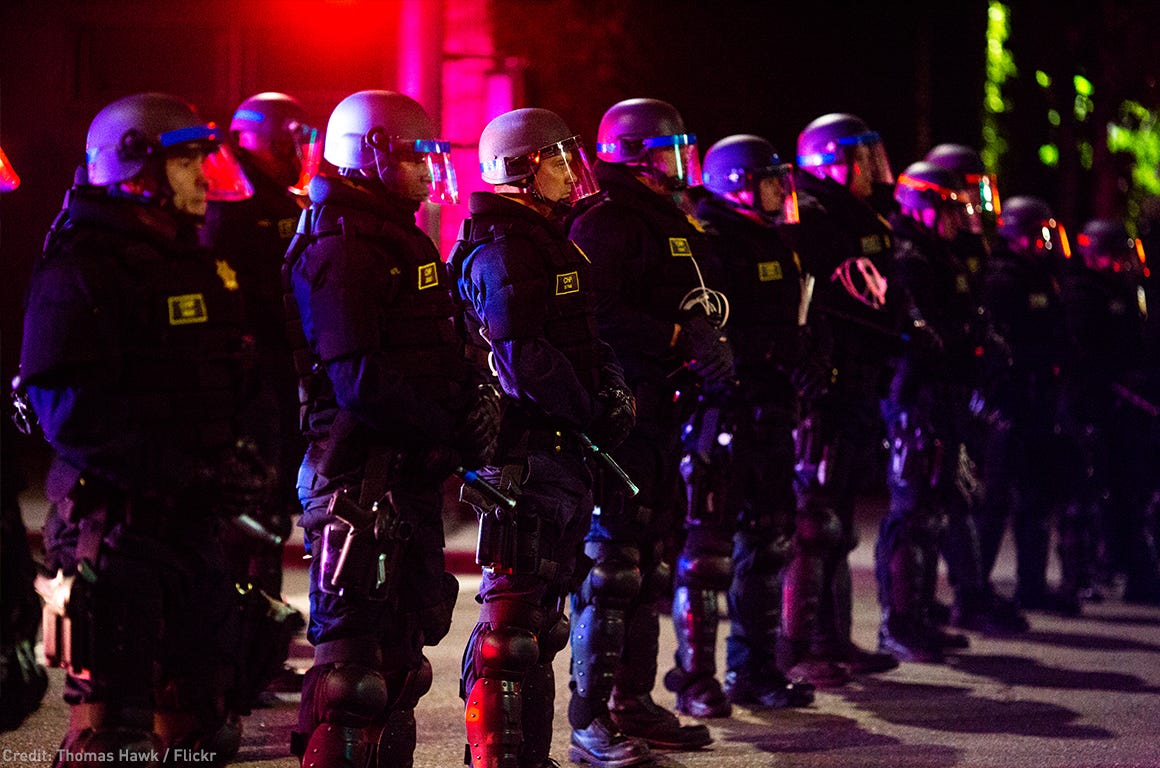
The floor became part of that story.
Church floors.
Apartment floors. Jail cell floors.
Hotel floors filled with young Black derelicts and organizers sharing one credit card and too many dreams. The floor does not romanticize struggle.
FERGUSON WAS THE FLOOR
There is a story people like to tell about Muhammad Ali returning home from the 1960 Summer Olympics with a gold medal around his neck and throwing it into the Ohio River after a segregated restaurant refused to serve him in Louisville.
Historians debate the details.
Some people say it never happened exactly like that. Some folks say the medal was lost years later. Others point out that the myth itself gained traction after ancestor and writer Toni Morrison retold the story with the kind of clarity great storytellers bring to a messy history.
But whether Ali actually threw that damn medal into the river almost doesn’t matter anymore.
The story survives because it explains something deeper about his dignity. Sometimes the USA will hand you a medal with one hand while humiliating you and your people with the other. Sometimes the only honest response is to refuse the symbolism altogether.
I think about that story when I think about the Ferguson Uprising. I don’t really like talking much about it but I realize now is the time for us to start talking more.
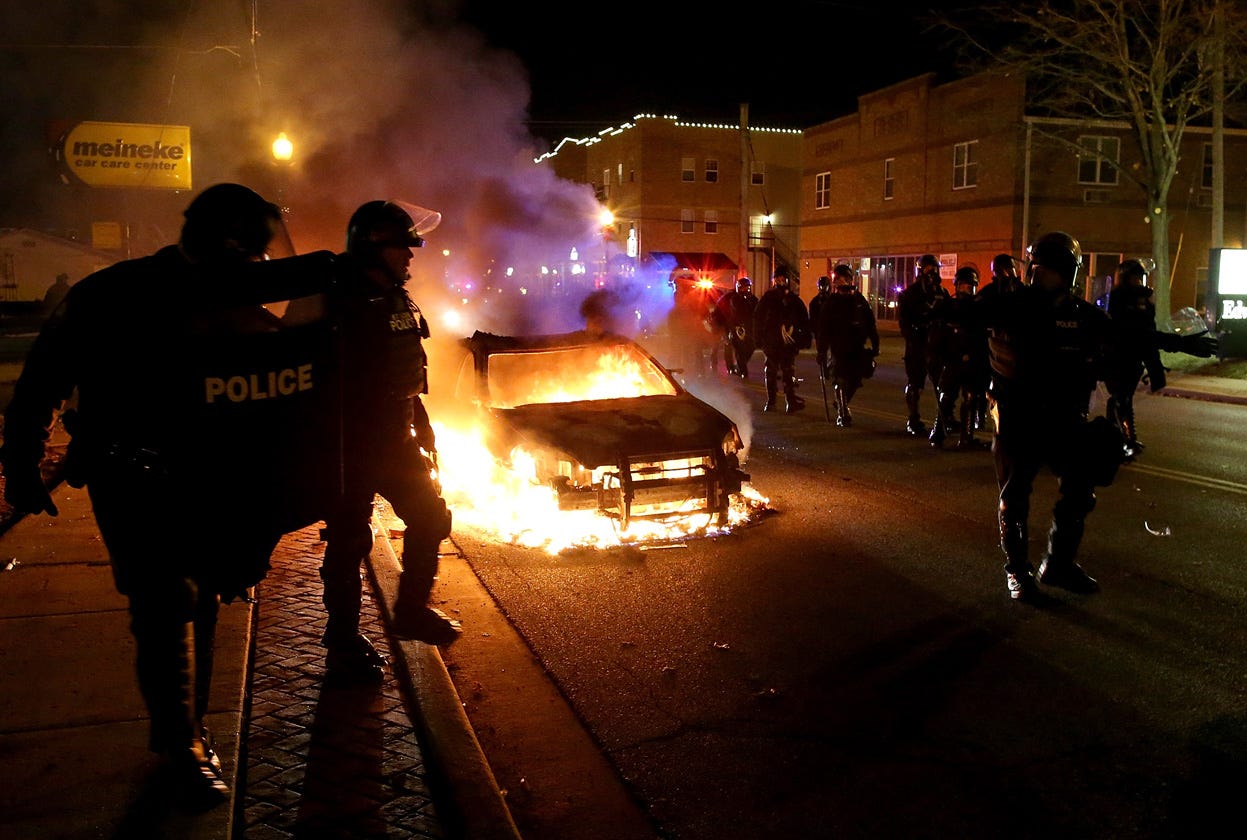
Looking back now, Ferguson was never a single linear moment. It was a classroom. A revolutionary classroom where street ethics collided with unfiltered human emotion and a generation of Black people began figuring out what resistance actually looked like in the United States.
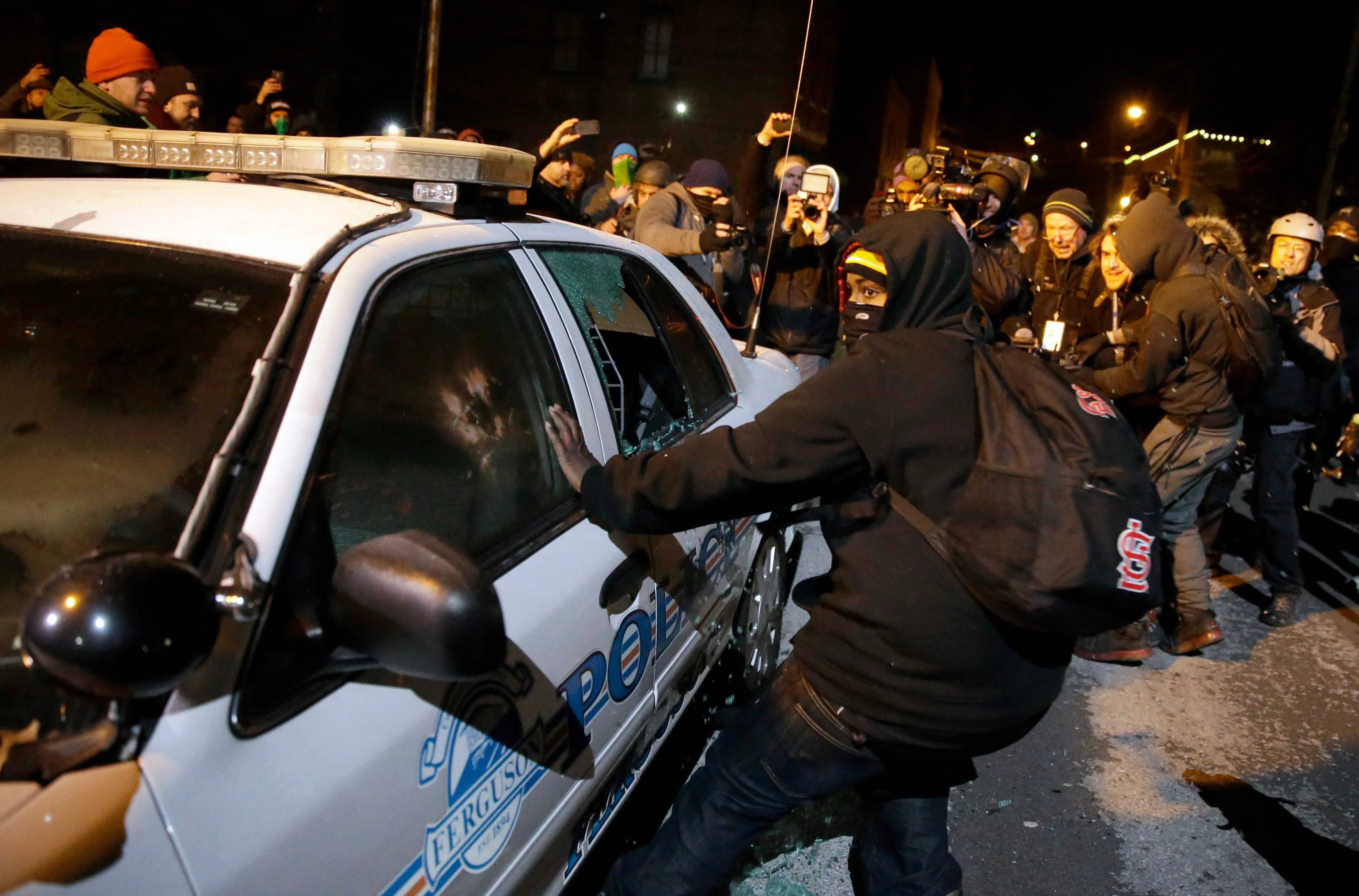
Most of us didn’t show up believing we were participating in some historical turning point. We were responding to the death of a young man and the arrogance of a system that had grown comfortable treating Black life as disposable.
But what Ferguson became was something different.
It became an education.
College for real niggas.
I live there still, and I don’t know the romantic version people who were barely there would write about later. I’m talking about damn near 12 years later my me and my niggas is still there.
I go to gym with my gun, I live down the street from my opps in the movement and my enemies in the streets at the same time.
I’m not a good super young man anymore but I didn’t run off to D.C. or Oakland, like some of the bums who have wasted their breathe criticizing me and many of my friends. I’m still learning and I’m still enrolled in the school Of Ferguson. The real one.
I learned the type of lessons that teach you how revolution actually feels inside your body.
Some people remember Ferguson through television footage and newspaper columns.
The influx of international attention and news cameras turned the whole thing into its own melee’. But the version many of us carry with us in our hearts looks different. It’s no secret lives changed quietly during that time. Some of my people went to prison, burned out from fatigue and vanished, or died and transitioned into the spirit world.
Some of us never quite recovered emotionally from the pressure of standing inside a moment that was bigger than the weight any single person could carry.
And then there were those of us who were already political before the Ferguson revolution ever happened, but we live in a city where memory runs short, and most people only remember what you’ve done for them lately.
St. Louis has a way of remembering what you did last week while forgetting what you survived ten years ago.
Before Ferguson my life already moved with a certain curiosity for Black Liberation. I knew one day these ethics would be tested, when they killed Trayvon Martin we were a hair away from burning down the city back then. So I was always war ready and the task at hand didn’t seem as dangerous as it actually was to me.
Battle rap sharpened those instincts early.
Being the retired Freestyle Friday champion on 106 & Park with a viewership of around 6 million people an episode meant pressure was something I already understood.
The music had us traveling across the Midwest doing shows anywhere a tank of gas could take us within a matter of a few hours. I was a member of a few different rap groups before my solo work started gaining its own traction.
My music always had undertones of social consciousness. Even when I tried to keep things casual, the writing kept drifting back towards addressing the strange contradictions of American life for Black people.
So when people ask what Ferguson felt like, I don’t start with the streets anymore. Today I think about the floors.
Floors inside community centers and closed gyms where organizers slept because nobody wanted to leave the room where collective decisions were being made, trainings, and unbreakable bonds were being built. Feelings that were both positive and negative were being unhashed in real time.
Floors inside apartments offered by white allies who believed in the movement but probably didn’t fully understand what they were opening their doors to.
Floors in hotel rooms where one white person’s credit card covered the reservation but ten Black bodies filled the carpet.
Church floors where people rested less than three hours before waking up to to dream about organizing again.
And the other floors.
Jail cell floors.
Cold concrete floors where a you learn quickly that the paper bag from a bologna sandwich can double as a pillow. Don’t eat the sandwich.
I don’t care if you starve to death in that morherfucker, never eat the damn sandwich! Use the sandwich as your pillow…. But never never never never eat it!
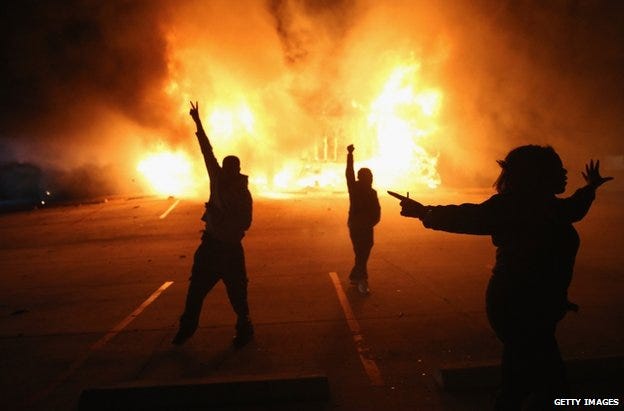
Those floors became part of my education.
They taught me about endurance. The floor has a way of humbling a nigga like me. You arrive believing you’re strong as hell. You arrive thinking you’ve given the world everything it asked of you. Then gravity enters the conversation. Gravity doesn’t care about speeches. It don’t care about your social media following or the revolutionary rhetoric from the 60s you’ e tried to memorize.
Gravity simply asks if your legs can hold you up for your Black ass to do it again tomorrow. Many nights during that period the floor felt like the only honest witness in the room.
Human beings eventually run out of energy. That’s when the floor starts asking the real questions. “Are you really built like that?”
Hip hop has always understood this dynamic better than most political spaces. KRS-One once said something that still cuts through the noise:
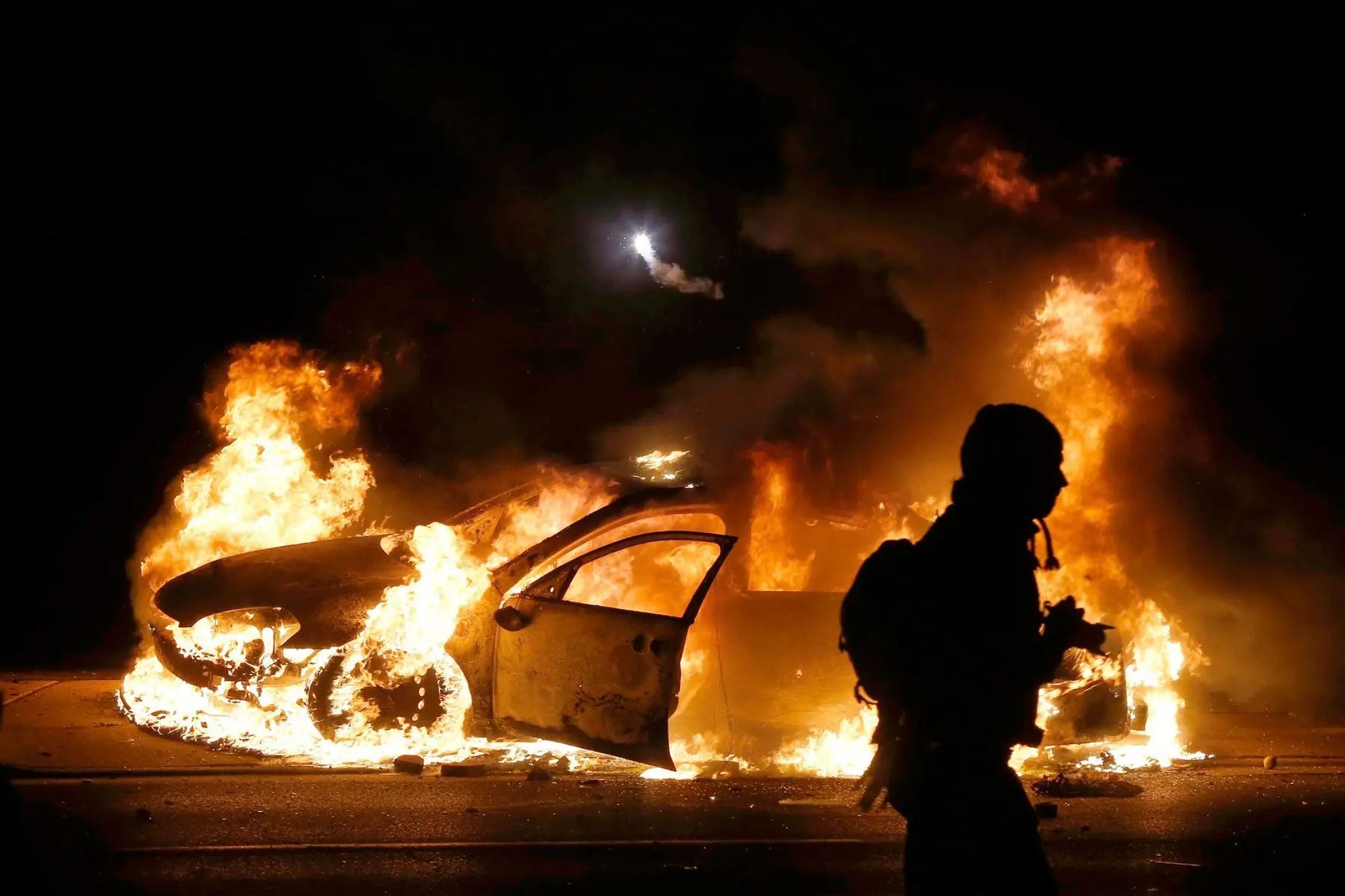
“Rap is something you do. Hip hop is something you live.”
That distinction matters.
Living it something is different from performing it. Ms. Lauryn Hill put it another way years ago when she asked, “How you gonna win when you ain’t right within?”
Movements fall apart when the internal discipline disappears. Ferguson taught the country something too. White Power studies niggas very carefully.
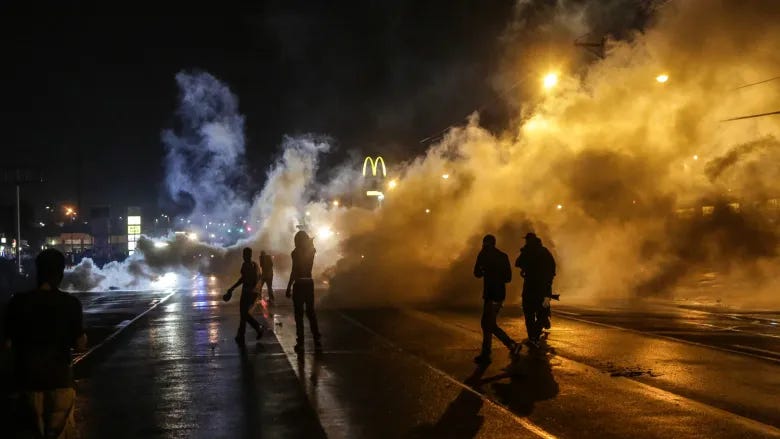
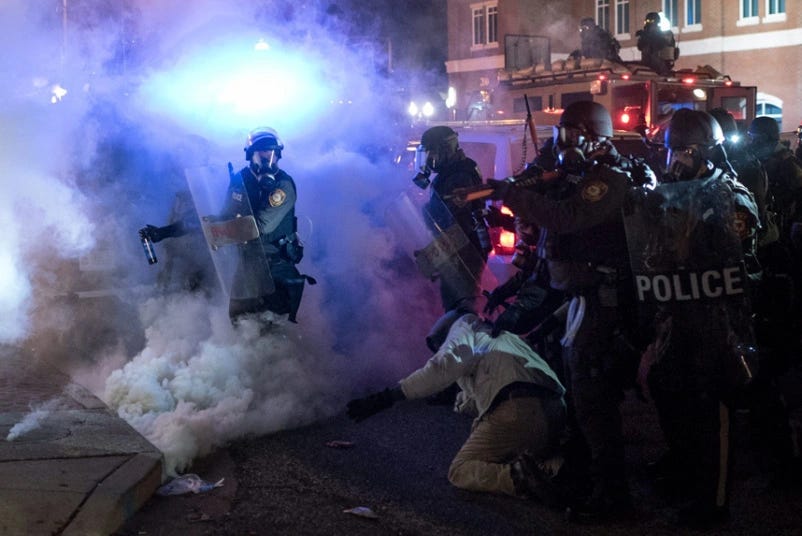
I watched brothers get knocked down by tear gas and rubber bullets and stand back up like the laws of physics were irrelevant.
I watched sisters with no high school diploma organize entire neighborhoods while the rest of the city pretended nothing historic was happening on West Florissant.
And slowly the same institutions that ignored us began trying to be us. They were trying to figure out how to contain what they hadn’t anticipated, the rise of the niggas who ain’t have shit. What worries me now is how easily communities can forget what the floor felt like.
When disaster hits a Black neighborhood and a tornado tears through blocks where our grandmothers still live it becomes painfully clear that nobody outside our own community is rushing to save us. Yet too many grown men who speak loudly about leadership are still drifting through ego contests and weekend fantasies on Sunday chasing some local bad bitches at Day parties. Niggas are addicted to escapism. That’s when the metaphor of the floor returns.
The floor is not just where the so called protester collapses after marching all day.
The floor is a motherfucking test.
It asks if a whole entire city has the humility and discipline to rise again after being knocked down. Maybe that nigga Ali threw the medal in the river.
Maybe he didn’t.
But the spirit of that story still lives inside every freedom struggle that has followed it.
You will get knocked down. The world tries to humiliate you as a Black Man or Black Woman fighting its hate. The floor taught us something important. You don’t wait for institutions to tell your story.
You stand up and tell it yourself.
At the time maybe only a few of us understood that. We were responding to a real life injustice. We were reacting to the death of a young man and the arrogance of a system that had grown used to treating Black life like a disposable wipe.
But what Ferguson really became was a long forum education in revolution and all the shit that comes with it in the American context.
I’d argue Donald J. Trump is only POTUS because white folks needed a physical defense mechanism against the growing influence of the Ferguson effect.
As a Black radical in the United States the floor has always been either friend or foe to us.
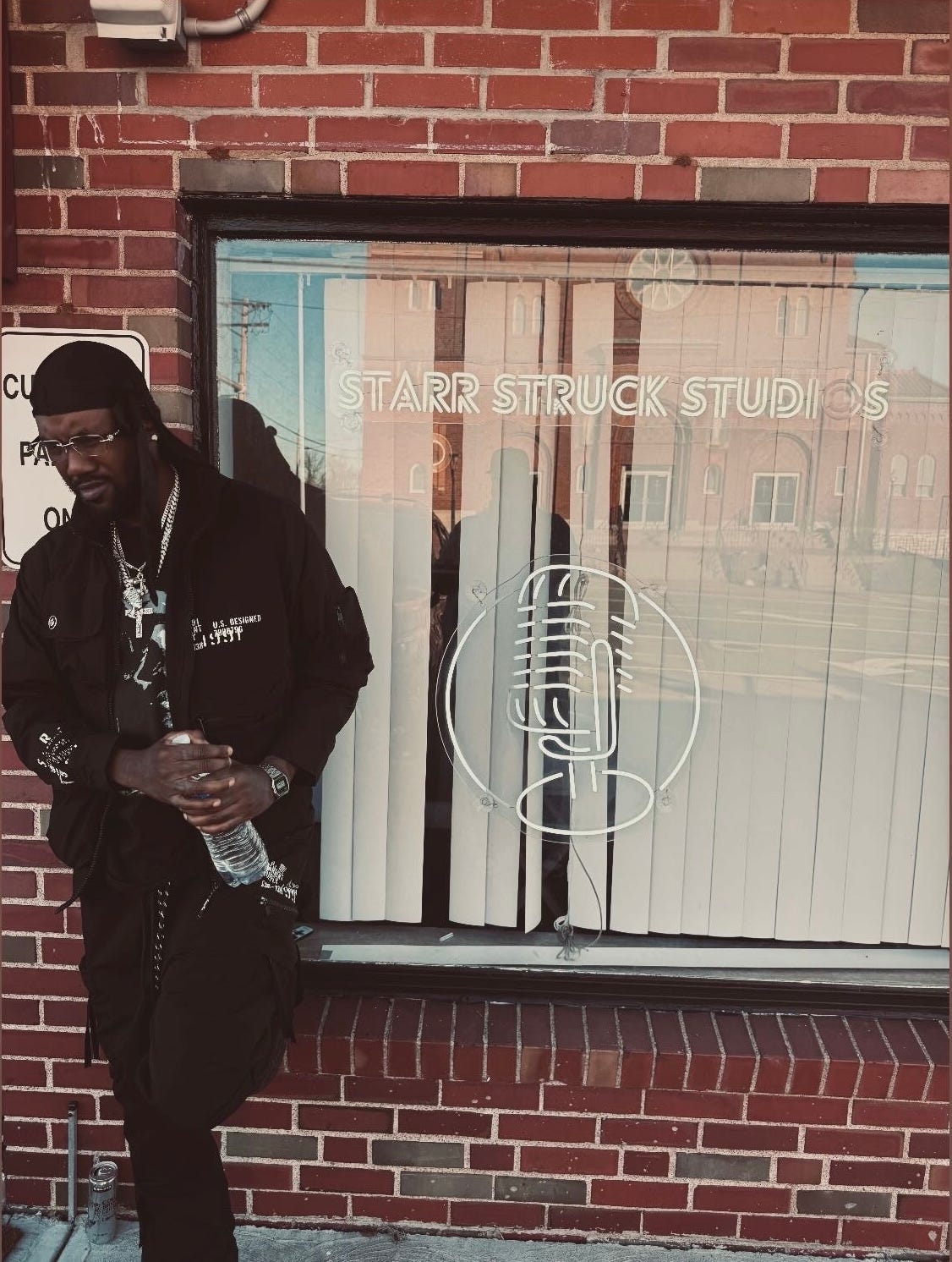
Also happening inside Crow Life right now
Alongside the Crow Life Dispatch, I’m co-hosting a podcast with Talib Kweli from the legendary duo Black Star. I need your help and support please subscribe and follow us both!